

This crew got rhymes.
I may have just completed my life’s most important work.
But let me back up for a second first.
For years, I have threatened to write a musical that tells the story of what’s going on behind the scenes during Return of the Jedi. More specifically, what’s going on with the Ewoks of Bright Tree Village. We know them as Chief Chirpa, creepy shaman Logray, and of course my favorite, Wicket.
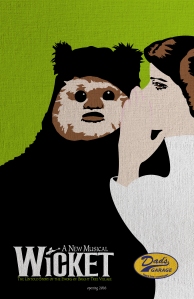
Yeah, I went there.
Wicket is the cute Ewok scout who first meets Leia and brings her back to the Bright Tree Village (while Logray is advocating cooking and eating Luke, Han, and Chewy.) He is also the hero of Wicket, the musical I’m working on.
I’m hoping the need for an Ewokese rhyming dictionary is making more sense now. The majority of the show will be in Galactic Basic (what some of you might call English), but I still want the Ewoks to be able to bust out a few rhymes in their native tongue.
I will happily share more info on the show in a later post. For now, I wanted to share—for posterity—the Ewokese rhyming dictionary that I have slaved over for the past few days. I’m sure a lot of people need it.
But first, a few caveats:
- I am not an Ewokese expert—my pronunciations may not be perfect
- For my purposes, I’m using ‘near rhyme’ rules for the multisyllabic rhymes that are noted.
- Almost all of the Ewok words and phrases I used come from the wookipedia, which in turn come from the amazing work of Return of the Jedi’s sound designer Ben Burtt. I have scrounged a few additional words and phrases from elsewhere on the internet.
So without further ado, please enjoy the world’s first Ewokese Rhyming Dictionary:
A
-ah
Aargutcha (ar gooch ah) — Pull
Acha (ah chah) — Okay, all right
Ah-ah (ah ah) — Water
Akeeata (ah kee ah tah) — Hear
Amoowa — You have a..
Cha/Chaa (chah) — Them
Chaaa — This one
Coatee-cha (kote tee chah) — Celebrate
Dee fratta (dee frah tah) — That’s, that is
De oppra (dee opp rah) — Upper, top
Ee chee wa maa! (ee chee wah mah) — Wow, gee whiz! Oh my goodness.
Ee choya! (ee choy ah) — Hey
Eedada (ee dah dah) — Over
Eedeeza (ee dee zah) — Ten (10)
Ehda (ay dah) — Evil, Bad
Ekla (ek lah) — Big
Enenah (en en ah) — Where
Entzahee roda (ents zah hee roh dah) — Cook
Enya — Show
Esa — Why
Fopa — From
Fudana — Wait
Glowah — Glory
Goon daa (goondaa) — delicious
Gooka (goo kah) — Shelter
Goopa (goo pah) — Hi.
Gunda (goon dah) — Yummy
Heeta hutah — Bark lizard
Hurga — Teach
Jeerota (jee roe tah) — Friend
Ka — The
Kaiya — Giddyup!
Kla (klah) — From
K’na Naa (kuh nah nah) — Spirit Tree
Kra (krah) — Ready
Luka — Stars
Manna manna (man ah man ah) — Food
N’dla (nah dla) — Six (6)
Ne gata/Ni gata (nee gah tah) — Where is…?
Ninga ninga — I respect
N’la (nah la) — Five (5)
Nocka — Deal
Nude-La — I am a…
Ooba (oo bah) — Rain, Rainfall
Ota (oh tah) — To the
Pibooka (pih boo kah) — Clearing
Pola (poh lah) — Polar
Powa (pow wah) — Power
Roda (roh dah) — To eat
Ronda ronda — Landing platform
Ruha (roo hah) — Hit
Sta (stah) — Now
Stoja (sto jah) — Station
Ta (tah) — The
Tana (tah nah) — The Ewokese name of the planet Endor
Teeha (tee hah) — Thank you
Teera — Only
Theesa (thee sah) — Baby, child
Toma — Your(?)
Treeta Dobra (tree tah Doh brah) — Council of Elders
Uuta — Sky
Weewa (wee wah) — House, home
X’ekra — Guard/watch/protect
X’iutha (zhoo thah) — Important
Yaa-yaah! — Greetings.
Yah wah—power
Yeha (yee hah) — Good bye
Yud ehda/Yut ehda (yood ay dah) — Alas
two syllables
-ah-ah
Acha (ah chah) — Okay, all right
Ah—ah (ah ah) — Water
Dee fratta (dee frah tah) — That’s, that is
De oppra (dee opp rah) — Upper, top
Ee chee wa maa! (ee chee wah mah) — Wow, gee whiz! Oh my goodness.
Eedada (ee dah dah) — Over
Fudana — Wait
K’na Naa (kuh nah nah) — Spirit Tree
Manna manna (man ah man ah) — Food
N’dla (nah dla) — Six (6)
Ne gata/Ni gata (nee gah tah) — Where is…?
N’la (nah la) — Five (5)
Tana (tah nah) — The Ewokese name of the planet Endor
Yaa-yaah! — Greetings.
Yah wah—power
-ai-ah/-ay-ah
Ehda (ay dah) — Evil, Bad
Kaiya — Giddyup!
Yud ehda/Yut ehda (yood ay dah) — Alas
-ee-ah
Akeeata (ah kee ah tah) — Hear
Coatee-cha (kote tee chah) — Celebrate
Eedeeza (ee dee zah) — Ten (10)
Ninga ninga — I respect
Teeha (tee hah) — Thank you
Teera — Only
Theesa (thee sah) — Baby, child
Weewa (wee wah) — House, home
Yeha (yee hah) — Good bye
-eh-ah
Ekla (ek lah) — Big
Enenah (en en ah) — Where
Enya — Show
Esa — Why
X’ekra — Guard/watch/protect
-oh-ah
Entzahee roda (ents zah hee roh dah) — Cook
Fopa — From
Glowah — Glory
Jeerota (jee roe tah) — Friend
Nocka — Deal
Ota (oh tah) — To the
Pola (poh lah) — Polar
Roda (roh dah) — To eat
Ronda ronda — Landing platform
Stoja (sto jah) — Station
Toma — Your(?)
Treeta Dobra (tree tah Doh brah) — Council of Elders
-ooh-ah
Aargutcha (ar gooch ah) — Pull
Amoowa — You have a..
Goon daa (goondaa) — delicious
Gooka (goo kah) — Shelter
Goopa (goo pah) — Hi.
Gunda (goon dah) — Yummy
Heeta hutah — Bark lizard
Luka — Stars
Nude-La — I am a…
Ooba (oo bah) — Rain, Rainfall
Pibooka (pih boo kah) — Clearing
Ruha (roo hah) — Hit
Uuta — Sky
X’iutha (zhoo thah) — Important
three syllables
-ah-oh-ah
Ronda ronda — Landing platform
Treeta Dobra (tree tah Doh brah) — Council of Elders
-ee-ah-ah
Dee fratta (dee frah tah) — That’s, that is
De oppra (dee opp rah) — Upper, top
Ee chee wa maa! (ee chee wah mah) — Wow, gee whiz! Oh my goodness.
Eedada (ee dah dah) — Over
Ne gata/Ni gata (nee gah tah) — Where is…?
-ooh-ah-ah/–uh-ah-ah
Fudana — Wait
K’na Naa (kuh nah nah) — Spirit Tree
-ahd (see also -aht)
Jad (jad) — Down
-aht (see also -ahd)
Jarat (jah raht) — Branch
Theesdarat — Truth
-aig (see also -ang)
Zehg (zayg) — Out
-air (see also -er, -erd)
Deajstare — Death Star
-ale
Chiutatal (chy oo tah tail) — Moon
Tal (tale) — Sun
-ang (see also -aig)
Lang — Think
-are
Azar (ay zar) – Magic
Dangar (dang gar) — Attack (also possible that the phrase is used as a battle cry)
Hutar (hoo tar) — Danger
Lulalar (loo lah lahr) – Sing
-ate (see also -et, -it)
Daboolhat (daboohlait) — Change, be different
-ath
Yayath (ya yath) — Jump
-ay
Danthee (dan thay) — Maybe
Danvay (dan vay) — Be careful
Ileeay — Stop
Noroway (nohr oh way) — Which?
Re — Rise
E
-ease
Chees — Route/path
Eee/Ees (ee) — We
Thees (theess) — Good
-eck (see also -ick)
Yayath (ya yath) — Jump
Chek — Soup
Glek (glek) — Sad
Greh/Grek (grek) — Hands
Shtehk — Sit
Shtek — Vine/rope
Thek (theck) — Here
Yehk — Open
-ecksh (see also -eck)
Deksh — Oh dear/Oh my
-ee
Arandee (ar ahn dee) — Listen
Bingee (bin jee) — To guide
Che (chee) — Free, as in liberty
Churee/Churi (chor ee) — Mountain
Churi – a large bird, the skull of which adorns Logray’s headgear
Chyasee (chy ah see) — Help
Coki (coke ee) — Nine (9)
Cupee (cupp ee) — Cap, as in an ice cap on a mountain
Eedeedee — Under
Eee/Ees (ee) — We
Eetee (ee tee) — Long
Ehshtee/Eshtee (esh tee) — Give
Hii — Visit
Hoji (ho jee) — Four (4)
Jeejee (jee jee) — Face
Kee — Wishes (?)
Lungee (lunj ee) — Lost
Luufi (loo fee) — Flower
Nim-nee — Take (me)
Reshee (resh ee) — Map
Rueenee (roo ee nee) — Ruins
Sunee (suh nee) — Sun
Thesi — There
Tyatee (ty ah tee) — Come
Tyeht danti? — What happened?
Uhree — Up
Yuhyi — See
Yubi Ubi — Go to sleep
Zeekee — Safe
two syllables
-ah-ee
Arandee (ar ahn dee) — Listen
Chyasee (chy ah see) — Help
Tyatee (ty ah tee) — Come
Tyeht danti? — What happened?
-ee-ee
Eedeedee — Under
Eetee (ee tee) — Long
Jeejee (jee jee) — Face
Rueenee (roo ee nee) — Ruins
Zeekee — Safe
-eh-ee
Ehshtee/Eshtee (esh tee) — Give
Reshee (resh ee) — Map
Thesi — There
-oh-ee
Churee/Churi (chor ee) — Mountain
Coki (coke ee) — Nine (9)
Hoji (ho jee) — Four (4)
-ooh-ee
Luufi (loo fee) — Flower
Yubi Ubi — Go to sleep
-uh-ee
Cupee (cupp ee) — Cap, as in an ice cap on a mountain
Lungee (lunj ee) — Lost
Sunee (suh nee) — Sun
three syllables
-ai-ah-ee
Chyasee (chy ah see) — Help
Tyatee (ty ah tee) — Come
-eech (see also -ease)
Feech (feech) — Dang
Geetch (geech) — Push
-eef (see also -eeth)
Feef (feef) — Plant
Oodeef (oo deef) — Sweet
X’eef (zheef) — Ground
-eeg (see also —eej, —eek)
Gleeg (gleeg) — Drink
Seeg — On
Zeeg (zeeg) — In
-eej (see also -eech)
Deej (deej) — Father
-eek (see also -eeg, -eeks)
Eekeekeek (eek eek eek) — Forest
Thleek — Throw
Treek (treek) — Go
Treekveek — Run
Veek (veek) — Quick
Yeek — Look
-eek (see also -eeg, -eeks)
Eekeekeek (eek eek eek) — Forest
Thleek — Throw
Treek (treek) — Go
Treekveek — Run
Veek (veek) — Quick
Yeek — Look
-eeks (see also -eek, -ease)
Jeeks — That
-eep
Eeep! — Yipes!
-eesh (see also -ease, -eech, -eesht)
Gyeesh (gyeesh) — Please
Keesh — When
Shodeesh — Parents
Sleesh (sleesh) — Berry
-eesht
E s’eesht (ee seesht) — Kill
-eet (see also -eet)
Eedada huutaveet — Spaceship
Freet (freet) — Sister
-eeth (see also -eef, -eet)
Kreeth (kreeth) — Cave
-eh
Etke (ett keh) — More
Jadgreh (jad greh) — Foot
Oh hheneheh (oh hén heh) — An expression used to call to order an assembled group in preparation for an announcement—sometimes, after an accompanying drum beat
Yeh (yeh) — Old
-en
Den (den) — No
Hveetin (he veet in) — Glider
Na-chin (nah chin) — Tribe
Treekthin (treek thin) — Journey
Tyehtgeethin — Stranger
Zeeheein — Safety
-er (see also -air, -erd)
Fektur (fek tur) — Medicine
-erd (see also -air, -er)
Lurd (lerd) — Dumb, silly
-esh
T’hesh (tuh hesh) — Quiet
Yesh (yesh) — Right, correct
-et (see also -ait, -it)
Teeket (tee kett) — Heart
Yungyet (yung yett) — Nut
I
-ick (see also -eck)
Drik (drik) — Happy
Eechik — Try
Fic (fic) — Two (2)
-icks
Jiks — This
-im
Chim (chim) — Three (3)
-in (see -en)
-it (see also -et)
Grenchicit (gren chik it) — Hang on/Hold on
Luka yit — Pixie
Yekyit — Say/tell
Yigit — Small
O
-ock
Bok chuu-ock (bahk choo ahk) — Far away
Chak (chahk) — Yes
Che womok! — Beware!
Dutak (doo tok) — Arrow
Moktok — Now
Vootok — village
-oh
Ando (an doh) — Forward
Bi toto (bee toh toh) — Direction
Coro (kor oh) — Can you…?
Eleeo (ee lee oh) — Never
Lurdo (ler-do) — Loser
Mo — more
Oh (oh) — Too
Seefo (see foh) — Hurt
Toto — Is/Does
-ooh
Allayloo (ah lay loo) — Celebrate
Bugdoo – Hungry
Choo doo (choo doo) — Enough
Chu (choo) — One (1)
Fulu (foo loo) — Circle
Goo — Light/Trade
J’voo (ja voo) — Eight (8)
Labu labu? — How much?
Luu (loo) — Beautiful
Meechoo (mee choo) — I
Na goo (nah goo) — Stop!
Ooloo ooloo — Phrase pertaining to eating of someone
Reh rehluu (reh reh loo) — Dance
Sheeu (shee oo) — Name
Shodu (sho doo) — Mother
Sku (skoo) — Hello
Voo (voo) — Seven (7)
Weechu (wee choo) — You
two syllables
-ah-ooh
J’voo (ja voo) — Eight (8)
Labu labu? — How much?
Na goo (nah goo) — Stop!
-ee-ooh
Meechoo (mee choo) — I
Sheeu (shee oo) — Name
Weechu (wee choo) — You
-ooh-ooh
Choo doo (choo doo) — Enough
Fulu (foo loo) — Circle
Ooloo ooloo — Phrase pertaining to eating of someone
-oot
Goot (goot) — Good
Noot — Now
Sirut (seer oot) — Door
Sut (sutt) — Soon
-op/up
Chop — Got (have)
eee chop — we got
Yupyup (yupp yupp) — Rejoice (rejoicing)
U
-ub
Nub — I would/I have
Yub nub (yubb nubb) — Freedom
Yubnub (yub nub) — Hooray
Yub yub (yub yub) — Follow/Let’s go
-uck (see also -ock)
Chuck (chuk) — Much
Fruk (fruk) — Brother
Thuk (thuck) — Rock
-uf/-uv (see also -ub)
Nuv (nuhv) — Love
Yuf (yuhf) — Climb
-ug (see also -uck)
Eyok-nee-chug — What is that?
-uh
Eekeetuhkuh (ee kee tuh kuh) — Axe
Klektuhkuh — Spear